

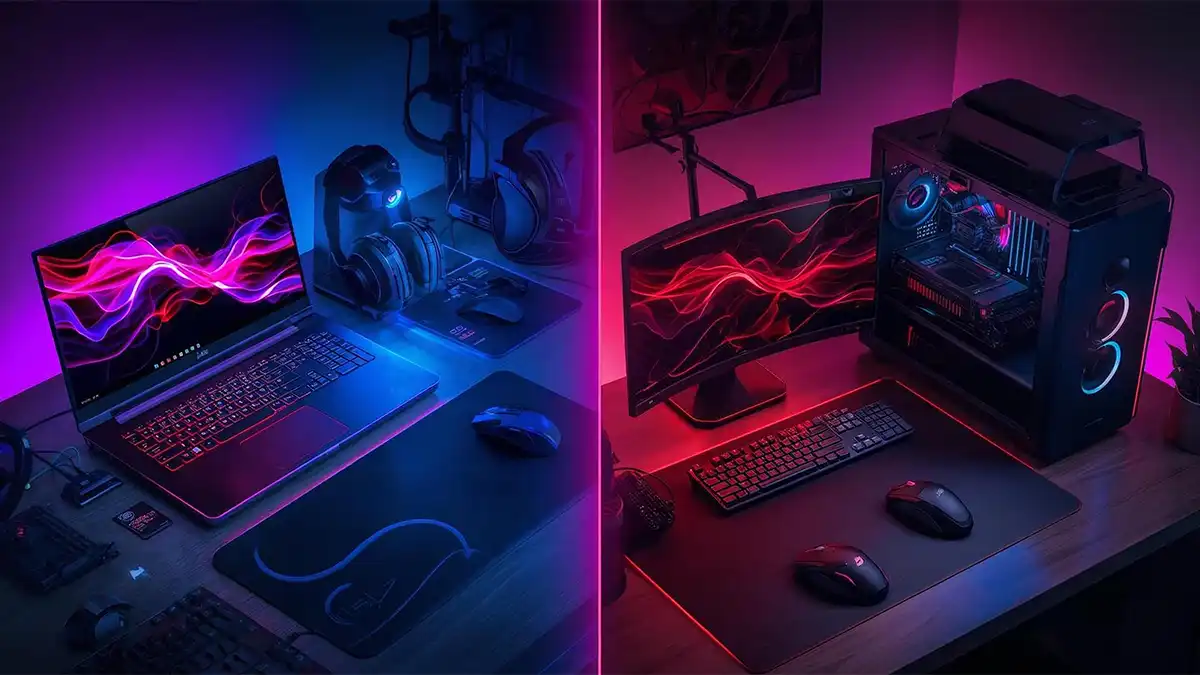

When it comes to building the perfect gaming setup, one of the most important decisions American gamers face is choosing between a gaming laptop and a gaming desktop. Both options deliver powerful performance, stunning graphics, and support for modern AAA titles — but each offers unique advantages depending on your lifestyle, gaming preferences, and budget.
In this detailed guide, we break down the key differences between gaming laptops vs desktops, covering performance, portability, customization, pricing, cooling, future-proofing, and more. By the end, you’ll know exactly which type of gaming machine is best for you.
Performance: Desktops Still Lead the Pack
When it comes to raw performance, gaming desktops generally hold a noticeable advantage. They can house full-sized components such as:
- High-wattage CPUs
- Dedicated desktop GPUs
- Better cooling systems
- Larger power supplies
Because desktop components aren’t restricted by space or thermal limitations, they often deliver higher clock speeds, improved heat dissipation, and more stable long-term performance. This results in smoother gameplay, better frame rates, and the ability to handle 4K gaming much more effectively.
Gaming laptops, however, have made massive progress. With advanced mobile GPUs from NVIDIA and AMD, powerful Intel Core and AMD Ryzen processors, and efficient thermal designs, many modern gaming laptops achieve performance surprisingly close to mid-range desktops. Still, due to their compact form factor, laptops may throttle under heavy loads and may not sustain top performance over extended sessions.
Verdict:
If maximum performance is your top priority — especially for high-end gaming — desktops still win.
Portability: Laptops Win Without Question
One major advantage of gaming laptops is mobility. For gamers who travel often, attend college, work remotely, or simply want to game from the couch or bed, a laptop offers unmatched flexibility.
Benefits of gaming laptops include:
- Easy to carry
- Self-contained unit (keyboard, display, trackpad included)
- Great for LAN parties, dorm rooms, and office breaks
- Allows gaming on the go, including during travel
On the other hand, gaming desktops are bulky, require multiple peripherals, and are designed to stay in one place.
Verdict:
If you plan to game anywhere other than your desk, a gaming laptop is the clear winner.
Customization and Upgradability: Desktops Dominate
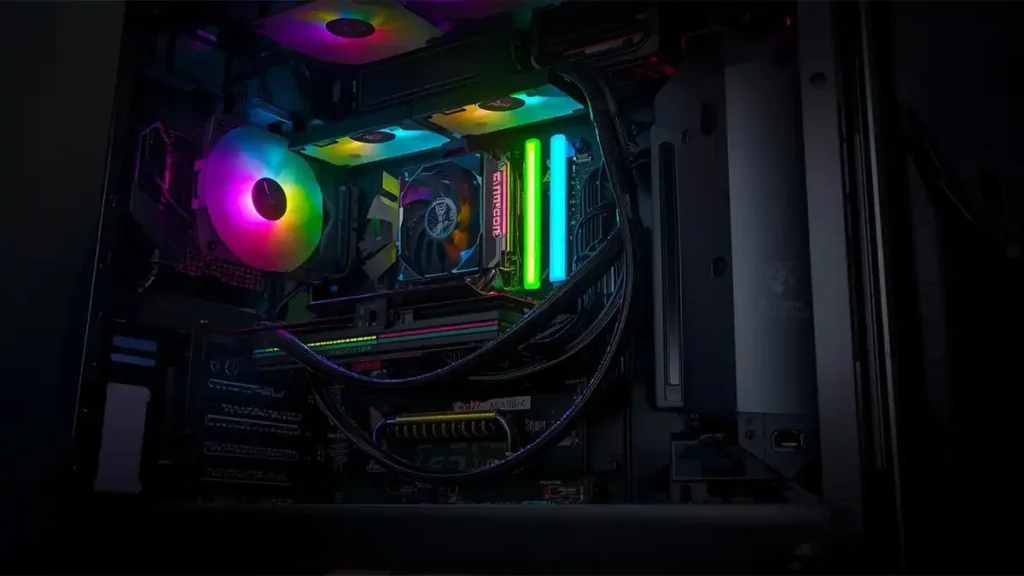
One of the biggest reasons American gamers prefer desktops is the freedom to customize and upgrade components as technology evolves. With a gaming desktop, you can easily swap:
- CPU
- GPU
- RAM
- Storage (SSD/HDD)
- Cooling system
- Power supply
- Case
This makes desktops future-proof and cost-effective in the long run.
Gaming laptops, in comparison, offer limited upgradability. Most allow you to upgrade RAM and storage, but CPU and GPU upgrades are extremely rare and often impossible. When a laptop becomes outdated, you may need a whole new machine.
Verdict:
If you love upgrading or building your own system, desktops are unbeatable.
Cooling and Noise: Better Thermals on Desktops
Cooling is crucial for consistent gaming performance. Since desktops have larger chassis, bigger fans, and sometimes liquid cooling options, they can maintain much lower temperatures.
Improved cooling means:
- Higher sustained performance
- Less thermal throttling
- Quieter operation
- Longer component lifespan
Gaming laptops, because of their compact size, often run hotter and louder. Many users rely on cooling pads for additional airflow. While modern gaming laptops are efficiently engineered, they still can’t match desktop cooling systems.
Verdict:
Desktops provide better cooling and more stable long-term performance.
Display Options: Desktops Offer More Freedom
Gaming desktops allow you to choose from a huge range of monitors, including:
- 1080p/144Hz
- 1440p/165Hz
- 4K displays
- Ultrawide monitors
- Curved screens
- Multi-monitor setups
This flexibility enhances both gaming and productivity.
Gaming laptops, however, come with fixed screen sizes (usually 15- or 17-inch). While many now feature 144Hz or 240Hz displays, they are still limited. You can connect external monitors, but that reduces portability and adds cost.
Verdict:
For multi-monitor or high-resolution setups, desktops are the better choice.
Price-to-Performance Ratio: Desktops Give Better Value
While both laptops and desktops vary in price, gaming desktops usually provide more power for the money. Since manufacturers are not constrained by portability, desktops can use more affordable full-sized components.
Gaming laptops tend to cost more due to:
- Miniaturized hardware
- Advanced heat management
- Built-in display, keyboard, and battery
If you’re on a tight budget, a desktop often delivers significantly better performance per dollar.
Verdict:
For pure value, gaming desktops win.
Space Requirements: Laptops Save Room
If you’re living in a small apartment, student dorm, or shared space, a gaming laptop is extremely convenient. It requires almost no room — just a small desk or even a bed.
Desktops demand more space for:
- Tower case
- Monitor(s)
- Keyboard and mouse
- Speakers or headset
- Cable management
If space is limited, a laptop is far easier to manage.
Verdict:
Laptops win if you need a compact gaming solution.
Battery Life: A Limitation for Gaming Laptops
Battery life is one of the biggest drawbacks of gaming laptops. Powerful GPUs quickly drain the battery, and most laptops can only handle 1–2 hours of high-end gaming unplugged. To get full performance, you must be plugged in at all times.
Desktops, of course, don’t rely on batteries and deliver consistent performance.
Verdict:
Desktops win due to stable, unlimited power availability.
Which Should You Buy? Final Recommendation
Choosing between a gaming laptop and a gaming desktop depends on your individual needs and gaming habits. Here’s a simple breakdown:
Choose a Gaming Laptop if:
- You need portability
- You’re a student, traveler, or remote worker
- You want a compact, all-in-one gaming system
- You prefer convenience over maximum performance
- You don’t plan major upgrades in the future
Choose a Gaming Desktop if:
- You want the best performance for modern AAA games
- You love customizing or building your own setup
- You need advanced cooling and long-term reliability
- You want a multi-monitor or 4K gaming experience
- You want better value for your money
- You plan to upgrade components over time
Conclusion
Both gaming laptops and desktops offer incredible gaming experiences, but the right choice depends entirely on your lifestyle and priorities. If mobility and convenience matter most, a gaming laptop is a fantastic option. However, if you want maximum performance, long-term upgradability, superior cooling, and the best price-to-power ratio, a gaming desktop remains the top choice for serious gamers.
By understanding the strengths and weaknesses of each platform, you can confidently choose the gaming machine that fits your needs and enhances your gaming experience for years to come.
